Termite Damage Restoration in Wilmington, NC
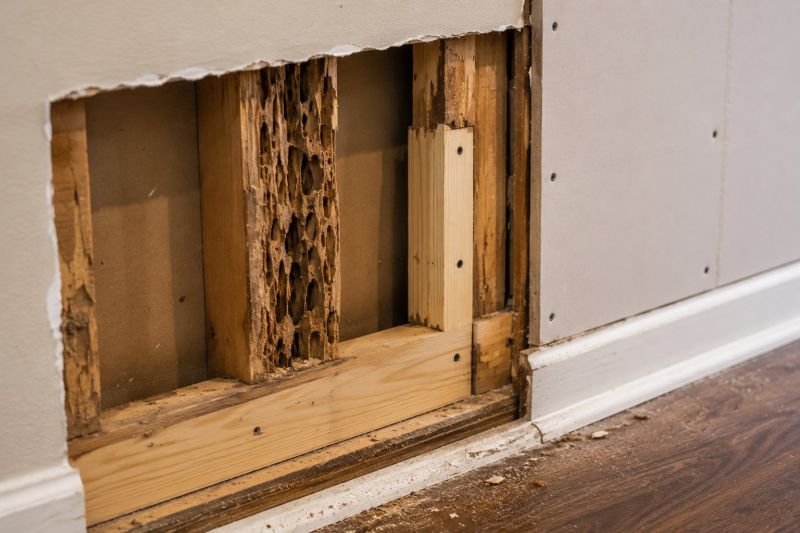
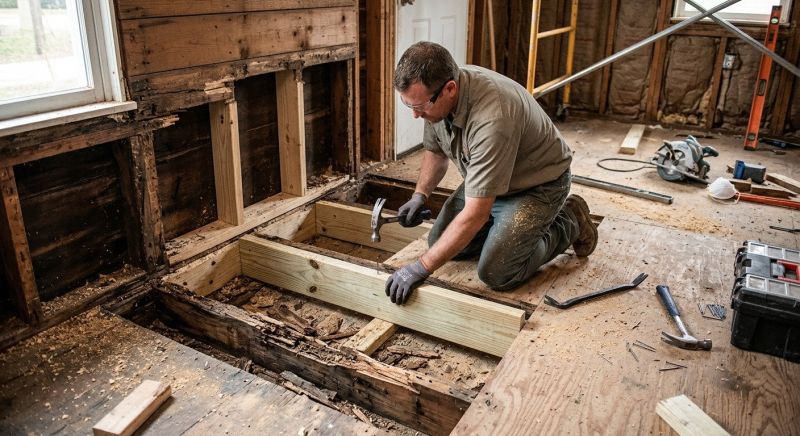
Termite damage restoration services focus on repairing and restoring properties affected by termite infestations. These projects typically involve assessing the extent of structural damage caused by termites, including wood rot, hollowed-out beams, and compromised framing. The process may include removing damaged materials, treating the affected areas to prevent future infestations, and rebuilding or reinforcing affected structures to ensure safety and stability. Property owners often seek these services after discovering signs of termite activity or following a pest control treatment to address existing damage and prevent further issues.
Before requesting termite damage restoration, homeowners should understand the scope of the affected areas and the severity of the damage. It is helpful to know whether the damage is limited to specific sections or widespread throughout the property. Additionally, property owners may want to inquire about the types of repairs involved, such as replacing wood or structural components, and the steps taken to eliminate any remaining termite activity. Clear communication about the extent of damage and desired outcomes can help ensure the restoration process meets expectations.
Many property owners in Wilmington, NC look into Termite Damage Restoration for repairs, replacements, upgrades, and appearance-related improvements.
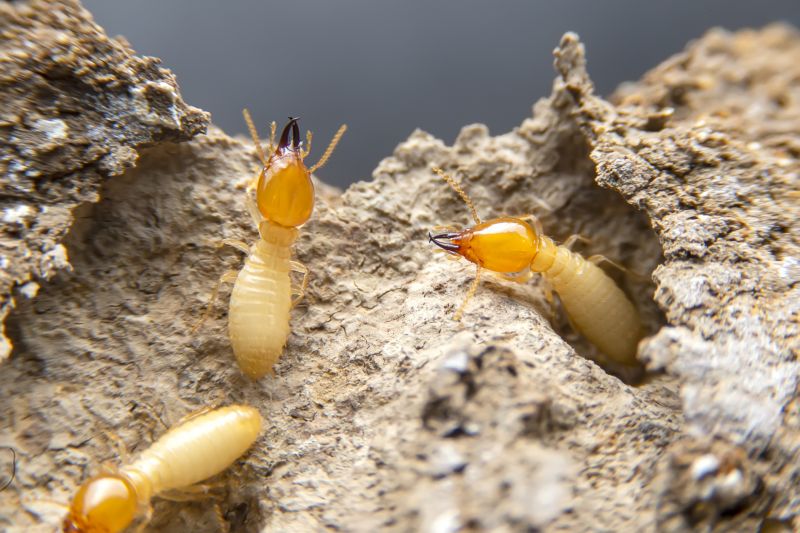
Identifying Termite Damage
Early signs of termite activity can prevent extensive structural issues in wilmington homes.
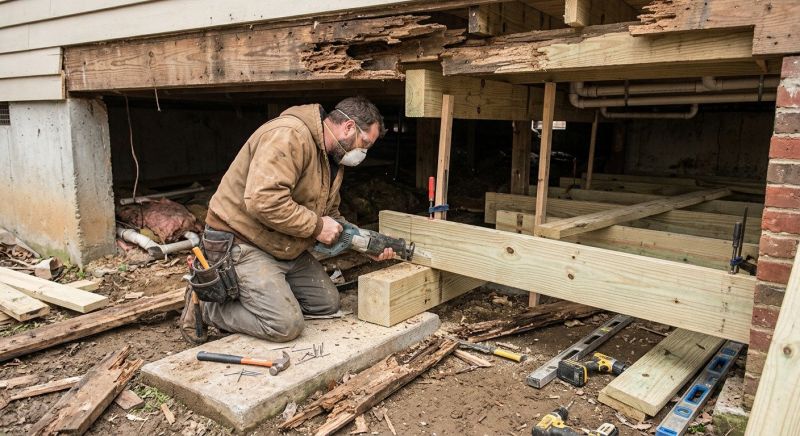
Restoration Process
Restoring a property involves repairing wood damage and ensuring the integrity of the structure.
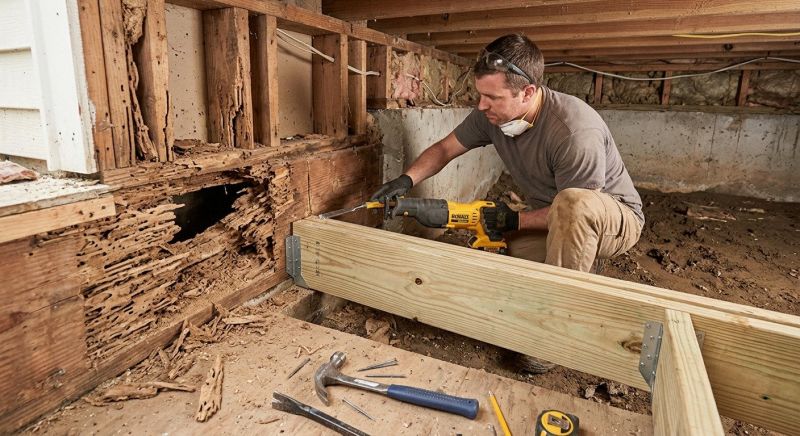
Preventative Measures
Implementing treatments and barriers can help protect properties from future termite infestations in wilmington area.
Termite Damage Restoration in Wilmington, NC
Termite damage restoration services focus on repairing and restoring properties affected by termite infestations. These projects typically involve assessing the extent of structural damage caused by termites, including wood rot, hollowed-out beams, and compromised framing. The process may include removing damaged materials, treating the affected areas to prevent future infestations, and rebuilding or reinforcing affected structures to ensure safety and stability. Property owners often seek these services after discovering signs of termite activity or following a pest control treatment to address existing damage and prevent further issues.
Before requesting termite damage restoration, homeowners should understand the scope of the affected areas and the severity of the damage. It is helpful to know whether the damage is limited to specific sections or widespread throughout the property. Additionally, property owners may want to inquire about the types of repairs involved, such as replacing wood or structural components, and the steps taken to eliminate any remaining termite activity. Clear communication about the extent of damage and desired outcomes can help ensure the restoration process meets expectations.
Many property owners in Wilmington, NC look into Termite Damage Restoration for repairs, replacements, upgrades, and appearance-related improvements.
Common Termite Damage Restoration Jobs
Termite damage repair involves restoring wood and structural components affected by termite activity.
Structural reinforcement helps stabilize compromised framing and support beams.
Wood replacement addresses areas where termite activity has caused extensive decay.
Damage assessment identifies the full extent of termite-related deterioration.
Moisture control reduces conditions that attract termites and prevent further damage.
Preventive treatments are recommended to protect against future termite infestations.

Termite Damage Restoration Questions
What is termite damage restoration? It involves repairing and restoring structures affected by termite activity, including replacing damaged wood and reinforcing affected areas.
Which types of property require termite damage restoration? Residential homes, commercial buildings, and any property with wood structures or furniture can need restoration after termite damage.
How can property owners identify termite damage? Signs include hollowed or weakened wood, mud tubes along walls or foundations, and discarded wings near windows or doors.
What are common restoration services after termite damage? Services include wood replacement, structural repairs, moisture treatment, and preventative measures to reduce future risk.
Request Termite Damage Restoration in Wilmington, NC
Use the quote form on this page to share the basics of your project and request more information for the type of work you need.