Dry Rot Remediation in Wilmington, NC
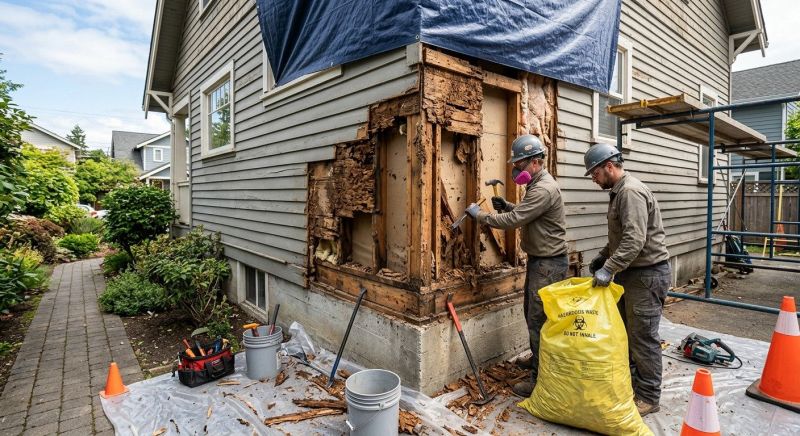
Dry rot remediation services focus on identifying and removing wood decay caused by specific types of fungi that thrive in moist, poorly ventilated areas. These services typically cover projects involving damaged framing, beams, joists, siding, or other structural components affected by moisture intrusion. Property owners usually want to understand the extent of the damage, the underlying causes of moisture buildup, and the necessary steps to restore the structural integrity of the affected areas before requesting remediation.
Understanding the scope of dry rot repair is essential for homeowners planning to address visible decay or prevent future issues. Common concerns include whether the affected wood can be salvaged or needs replacement, what moisture control measures are recommended, and how the remediation process will impact the property’s appearance and safety. Clear communication about the inspection process, scope of work, and recommended solutions can help property owners make informed decisions about restoring their homes.
Many property owners in Wilmington, NC look into Dry Rot Remediation for repairs, replacements, upgrades, and appearance-related improvements.
Understanding Dry Rot
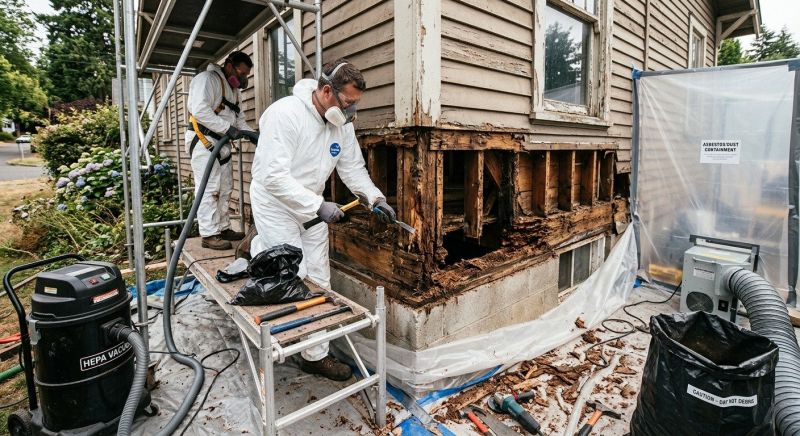
Dry rot is a type of wood decay caused by fungi that can compromise structural integrity.
Signs Of Dry Rot Damage
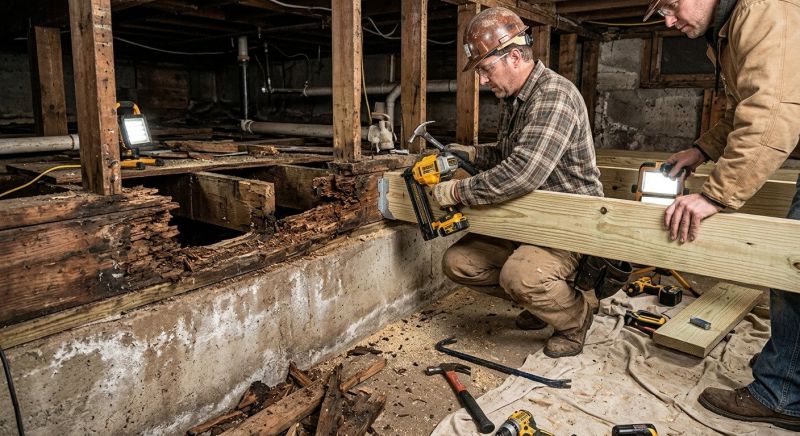
Look for areas with spongy wood, discoloration, or a musty odor around your property.

Preventing Future Dry Rot Issues
Proper ventilation and moisture control are key to reducing the risk of dry rot in your home.
Dry Rot Remediation in Wilmington, NC

Dry rot remediation services focus on identifying and removing wood decay caused by specific types of fungi that thrive in moist, poorly ventilated areas. These services typically cover projects involving damaged framing, beams, joists, siding, or other structural components affected by moisture intrusion. Property owners usually want to understand the extent of the damage, the underlying causes of moisture buildup, and the necessary steps to restore the structural integrity of the affected areas before requesting remediation.
Understanding the scope of dry rot repair is essential for homeowners planning to address visible decay or prevent future issues. Common concerns include whether the affected wood can be salvaged or needs replacement, what moisture control measures are recommended, and how the remediation process will impact the property’s appearance and safety. Clear communication about the inspection process, scope of work, and recommended solutions can help property owners make informed decisions about restoring their homes.
Many property owners in Wilmington, NC look into Dry Rot Remediation for repairs, replacements, upgrades, and appearance-related improvements.
Common Dry Rot Remediation Jobs
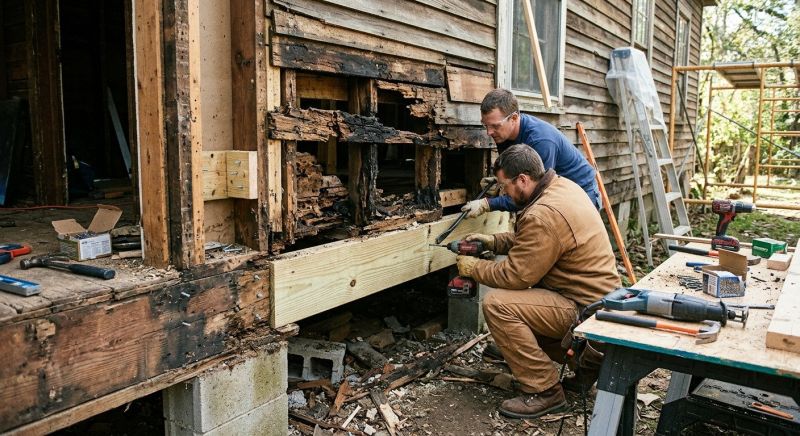
Dry Rot Repair - involves removing affected wood and restoring structural integrity.
Structural Restoration - addresses compromised framing caused by dry rot to ensure safety.
Wood Replacement - includes replacing damaged beams, joists, or framing members.
Moisture Control - focuses on identifying and eliminating sources of excess moisture that promote dry rot.
Inspection Services - provides thorough assessments to detect dry rot before it spreads further.
Preventative Treatments - applies solutions to inhibit future dry rot development and protect the property.
Dry Rot Remediation Questions
What is dry rot? Dry rot is a type of wood decay caused by fungi that break down wood fibers, leading to structural damage.
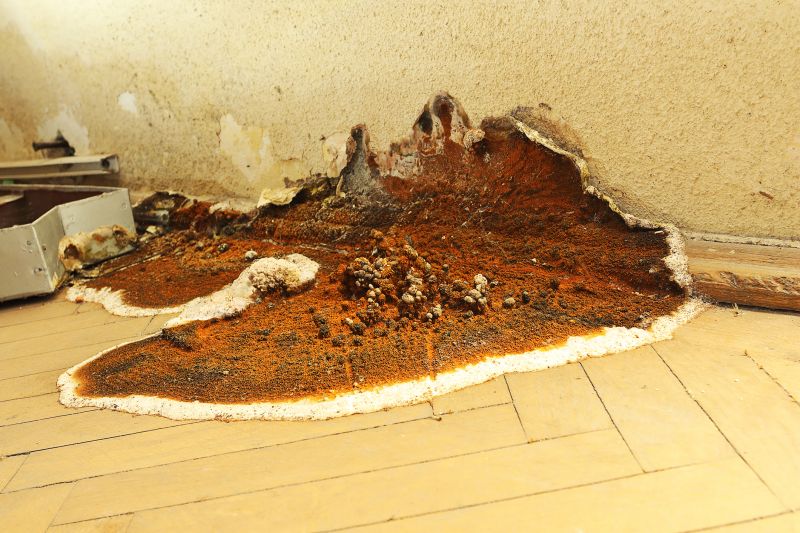
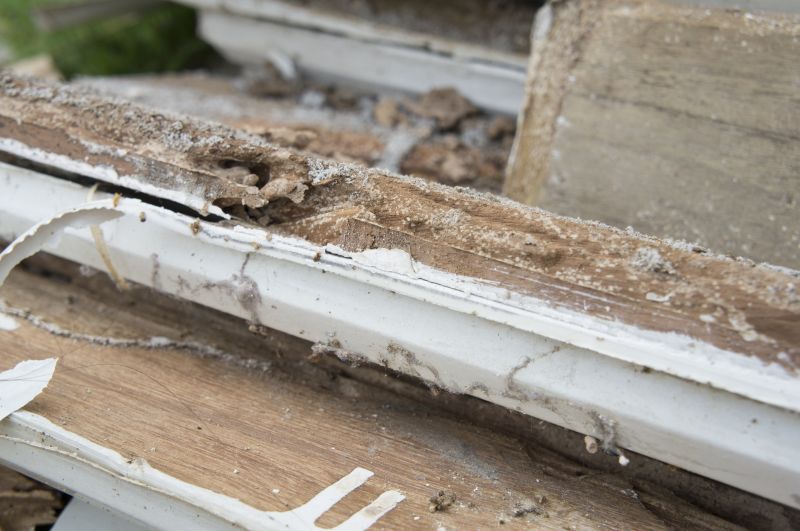
How can dry rot be identified? Signs include crumbling or weakening wood, a musty odor, and visible fungal growth or discoloration.
What are common areas affected by dry rot? It often occurs in damp, poorly ventilated spaces such as basements, crawl spaces, and around leaky roofs or pipes.
Why is prompt remediation important? Addressing dry rot early helps prevent further damage and maintains the integrity of the property structure.
Request Dry Rot Remediation in Wilmington, NC
Use the quote form on this page to share the basics of your project and request more information for the type of work you need.