Dry Rot Remediation in Denver, CO
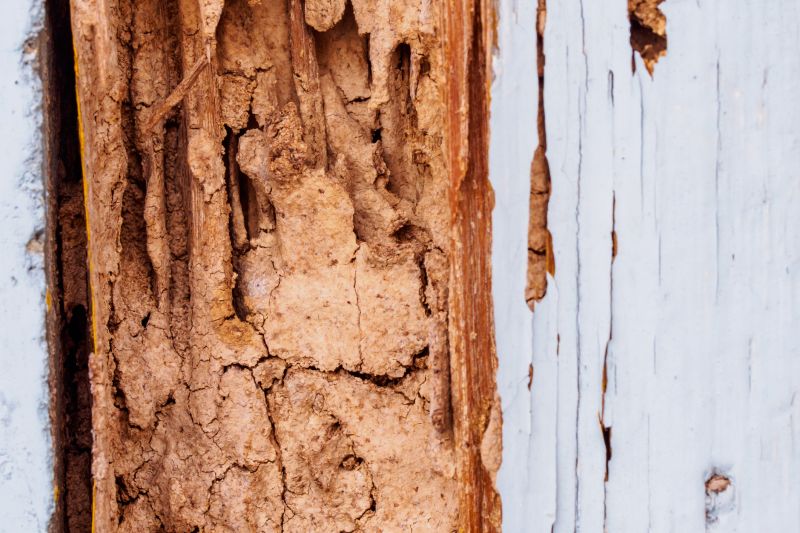
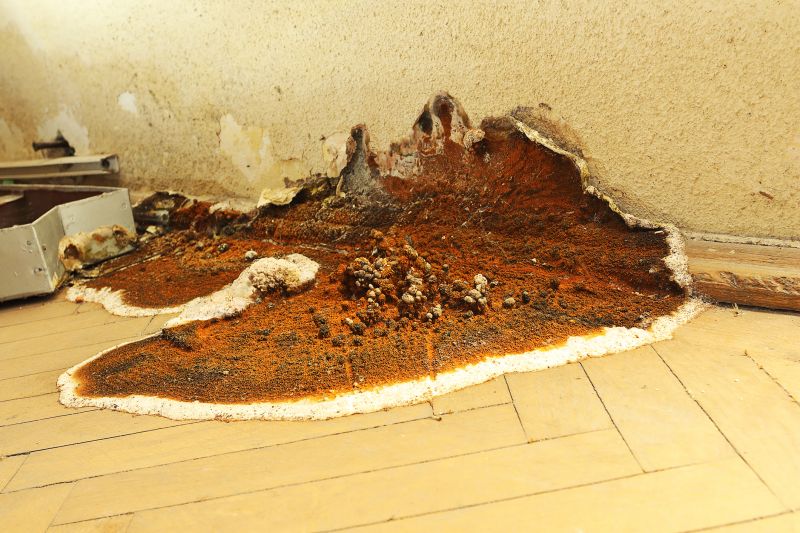
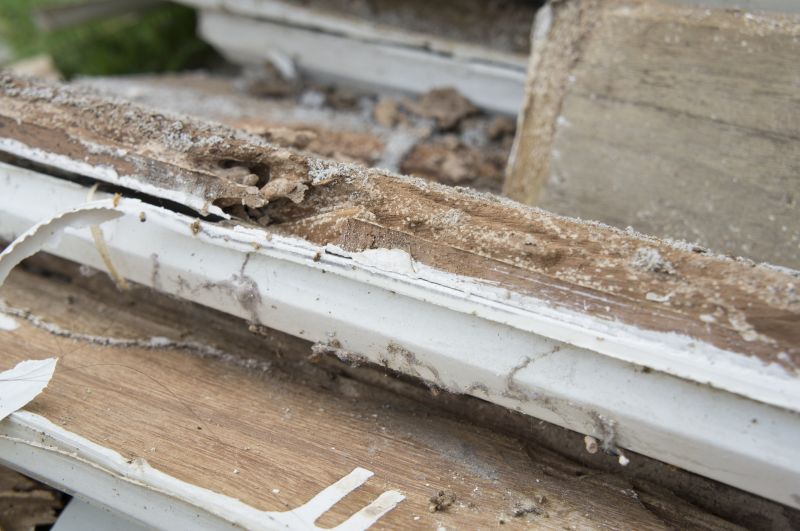
Dry rot remediation services focus on identifying and removing wood decay caused by certain types of fungi that thrive in moist environments. This process involves inspecting affected areas such as basements, attics, beams, and framing, then carefully removing compromised wood and treating remaining structures to prevent future growth. Property owners often seek this service when noticing signs of deterioration like crumbling wood, musty odors, or visible mold, especially in areas prone to moisture buildup or leaks.
Homeowners typically want to understand the scope of remediation needed, including the extent of damage and the steps involved in restoring structural integrity. It is also common to inquire about moisture control measures to prevent recurrence and the importance of addressing underlying issues such as leaks or poor ventilation. Proper assessment and timely intervention can help protect the property's stability and value, making dry rot remediation an essential service for maintaining a safe and durable home.
Many property owners in Denver, CO look into Dry Rot Remediation for repairs, replacements, upgrades, and appearance-related improvements.
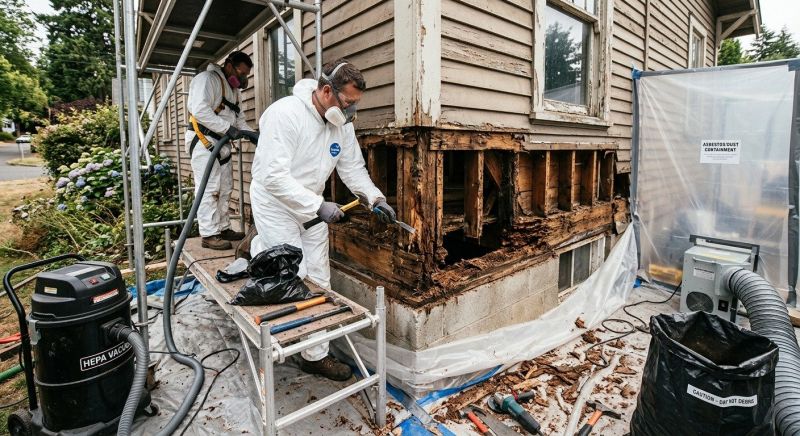
Identifying Dry Rot Damage
Understanding signs of dry rot helps homeowners address issues early before extensive damage occurs.
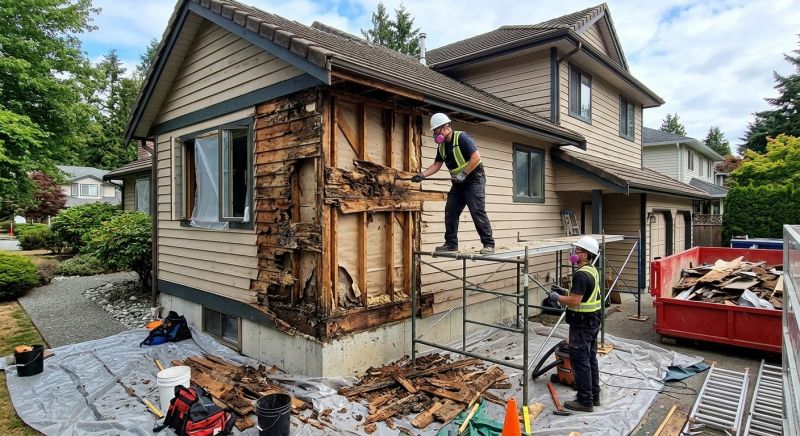
Dry Rot Repair Solutions
Restoration involves removing affected materials and applying treatments to prevent future growth.
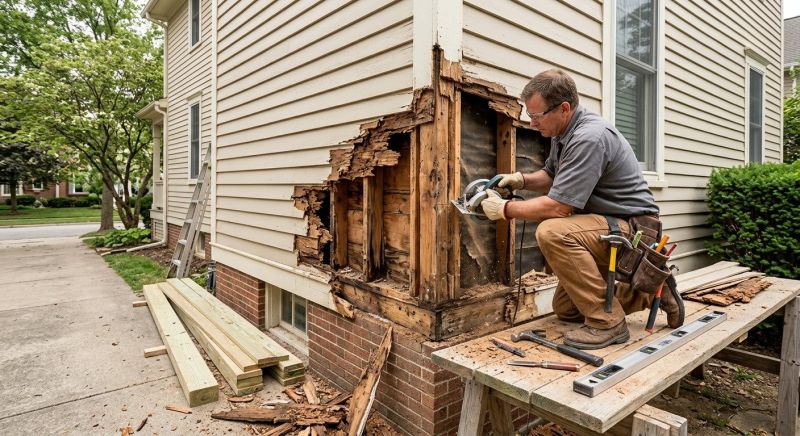
Preventing Future Dry Rot
Proper ventilation and moisture control are key to protecting properties in denver and surrounding areas.
Dry Rot Remediation in Denver, CO

Dry rot remediation services focus on identifying and removing wood decay caused by certain types of fungi that thrive in moist environments. This process involves inspecting affected areas such as basements, attics, beams, and framing, then carefully removing compromised wood and treating remaining structures to prevent future growth. Property owners often seek this service when noticing signs of deterioration like crumbling wood, musty odors, or visible mold, especially in areas prone to moisture buildup or leaks.
Homeowners typically want to understand the scope of remediation needed, including the extent of damage and the steps involved in restoring structural integrity. It is also common to inquire about moisture control measures to prevent recurrence and the importance of addressing underlying issues such as leaks or poor ventilation. Proper assessment and timely intervention can help protect the property's stability and value, making dry rot remediation an essential service for maintaining a safe and durable home.
Many property owners in Denver, CO look into Dry Rot Remediation for repairs, replacements, upgrades, and appearance-related improvements.
Common Dry Rot Remediation Jobs
Dry Rot Remediation - addresses structural damage caused by wood decay due to moisture.
Home Inspection - identifies areas where dry rot is present or at risk of developing.
Damage Repair - involves removing affected wood and replacing it to restore stability.
Moisture Control - implements measures to reduce humidity and prevent future dry rot growth.
Ventilation Improvement - enhances airflow in vulnerable areas to limit moisture buildup.
Preventative Treatment - applies solutions to inhibit dry rot development and protect the structure.
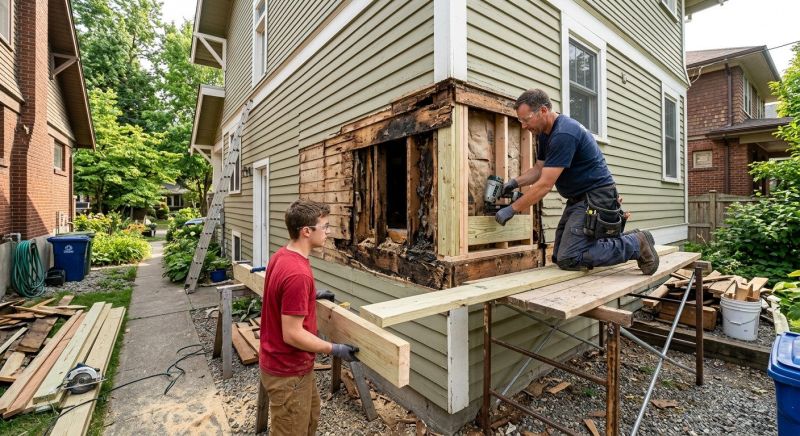
Dry Rot Remediation Questions
What is dry rot? Dry rot is a type of wood decay caused by fungi that can weaken structural wood in buildings.
How can I tell if I have dry rot? Signs include wood that appears cracked, shriveled, or has a musty smell, often accompanied by visible fungal growth.
Why is dry rot a concern for property owners? It can compromise the integrity of wooden structures, leading to costly repairs if not addressed promptly.
What does dry rot remediation involve? The process typically includes removing affected wood, treating surrounding areas, and replacing damaged materials to prevent recurrence.
Request Dry Rot Remediation in Denver, CO
Use the quote form on this page to share the basics of your project and request more information for the type of work you need.